Science & Nature
Butterflies Had a ‘Terrible’ Spring and Early Summer in Chicago, But Things Are Improving
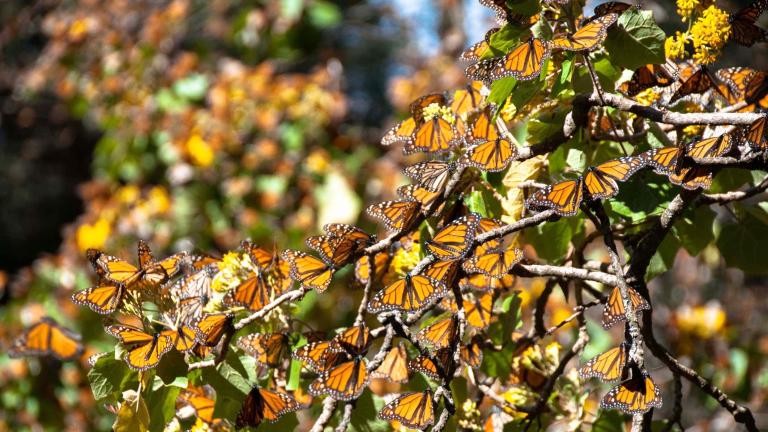
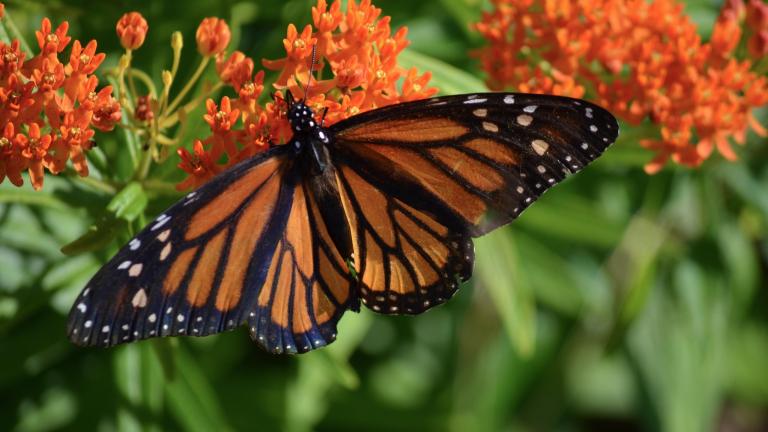
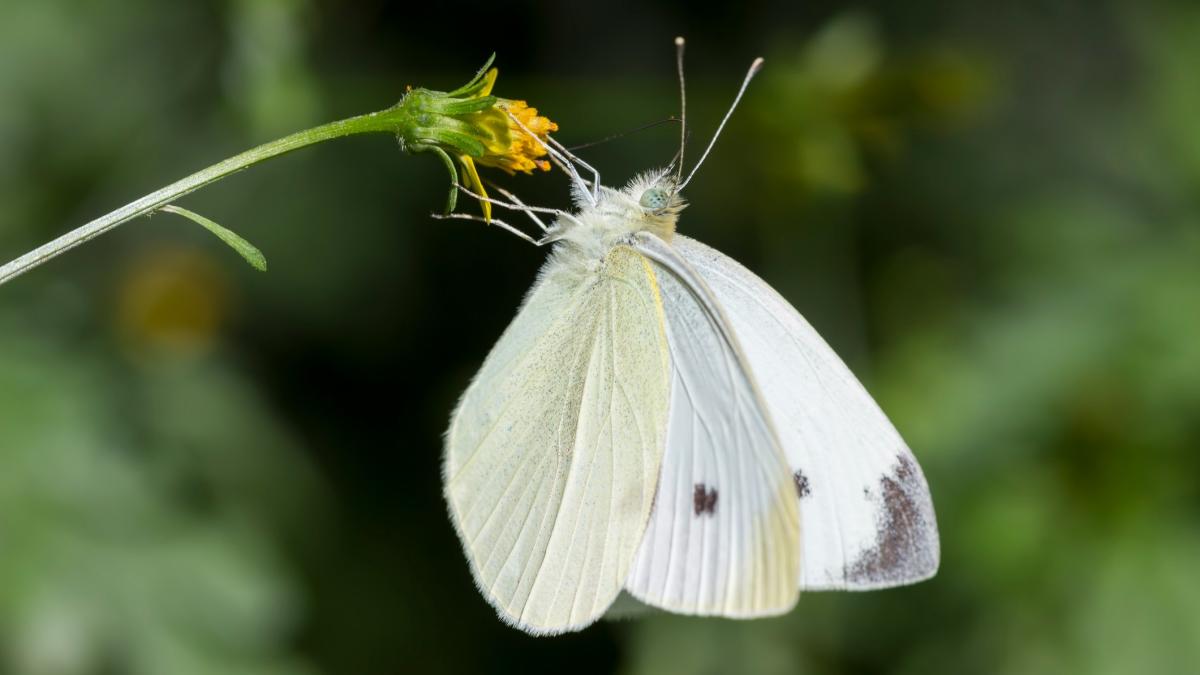 Monarch butterflies might get more attention, but common species like the cabbage white had a rough spring, too. (ABriggs21 / iStock)
Where have all the butterflies been?
The winged insects, in general, had a “really, really terrible” start to the season in May and June, a situation that’s only just now turning around, said Doug Taron, chief curator emeritus at the Peggy Notebaert Nature Museum.
That goes not only for endangered monarchs — the colorful, charismatic butterfly that’s become the face of the “insect apocalypse” — but for common species like cabbage whites and black swallowtails.
“It was a really bad start to the year for just about everything,” Taron said. And while it’s difficult to know the exact cause, he pointed to drought conditions in early spring, along with “weird, intermittent cold weather” as likely factors.
The latest reports from members of the Illinois Butterfly Monitor Network have been encouraging though, Taron said, with more butterflies reported on data sheets over the last week or two and all signs pointing to populations rebounding to what would be expected for mid- to late summer.
It appears, he said, that while butterflies may have been scarce around Memorial Day, whatever eggs that sparser generation laid seem to have successfully hatched and reached adulthood in a greater percentage than usual — and those offspring are the butterflies people are beginning to see right about now.
“I think that you can expect to see a little bit better butterfly activity moving forward,” Taron said. “I don’t think the rest of the summer is going to be as awful for butterfly numbers as the spring and early summer was.”
Perhaps equally encouraging, he said, is that people actually noticed the lack of butterflies.
Twenty years ago, were people actively on the lookout for pollinators in their backyards?
“They were, but not in nearly the numbers that are today,” he said. “You’ve just got a lot more people … paying attention to that sort of thing, which is wonderful.”
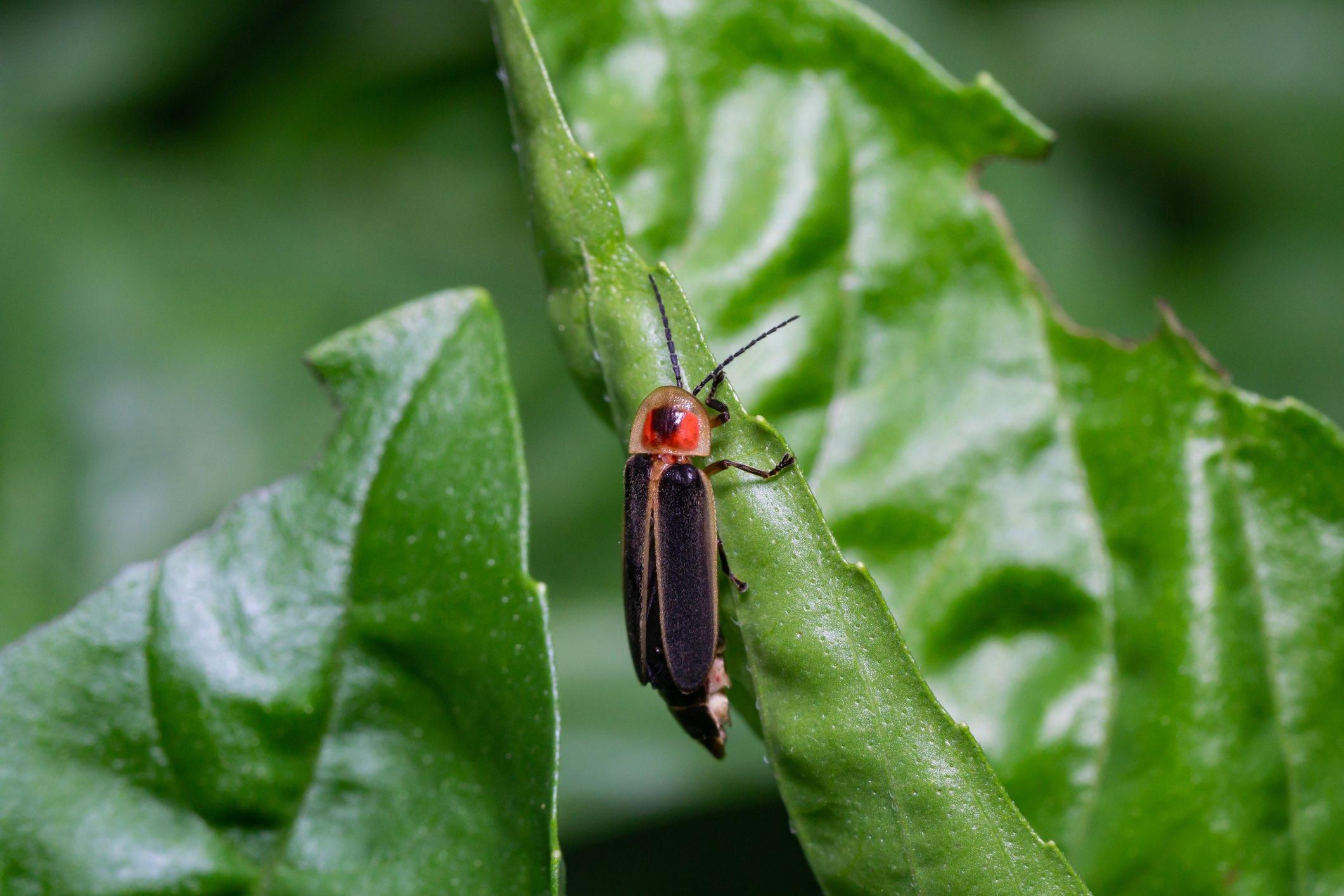 A firefly without its telltale glow could easily travel incognito. (Erik Agar / iStock)
Today, the butterfly monitor network collects more than 1,000 data sheets each summer, or roughly 900 more than it did a couple of decades ago. This sort of rigorous, long-term monitoring has provided researchers with a trove of quantitative information to mine when it comes to butterflies, information that doesn’t exist when it comes to other creatures that have captured the public’s imagination.
That brings us to fireflies.
Chicagoans have anecdotally reported seeing more lightning bugs this summer than in recent years, but there’s no real data to confirm that, Taron said.
It could just be that conditions are more favorable this summer for fireflies’ flashy displays.
“One of the things fireflies seem to like, in terms of the adult activity, they love warm sultry evenings. And we have had a lot of them lately,” said Taron.
But on a recent cool, rainy night, firefly activity was suppressed, he noted. Although the bugs were still around, they weren’t blinking to announce their presence.
“One of the things that makes it difficult to make very definitive statements about some of this stuff is that in general, insect population numbers tend to vary a lot from year to year,” he said.
A bust year, or years, could be followed by a boom, at least in the short term. In the long term, Taron said, insect populations are declining overall, due to a combination of climate change, habitat loss and pesticide use.
“I think it is cause for concern,” he said.
There is cause for hope as well, at both the macro and micro level.
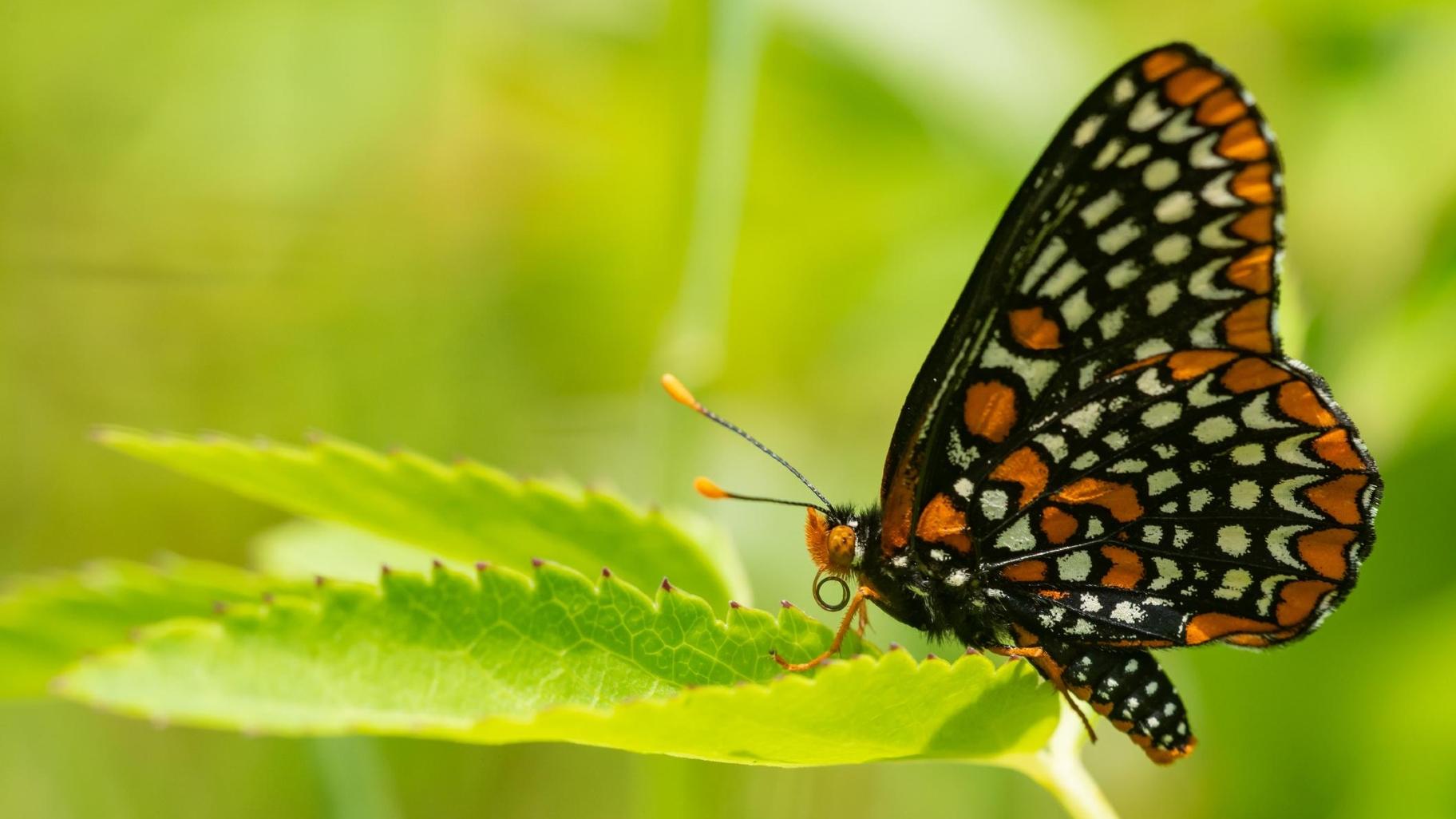 The Nature Museum is breeding Baltimore checkerspot butterflies in the lab, and then releasing them into area nature preserves to help boost the population. (Bookguy / iStock)
The increased use of native plants by home gardeners is providing insects with important sources of nectar, Taron said, and institutions like the Nature Museum are engaged in the conservation of individual species such as the Baltimore checkerspot butterfly.
Then there’s the rising tide that’s lifting all boats, he said, which would be land conservation.
The Chicago region’s various forest preserve districts have almost uniformly prioritized land acquisition and restoration in order to preserve and promote what biodiversity still exists.
“That is all totally good news,” said Taron. “If you’re doing a good job at protecting land, you’re probably protecting at least a lot of the butterfly species that are on it.”
Contact Patty Wetli: [email protected]